

How to Choose a Data Engineering Company
September 19, 2026
How to Choose the Right Web Design Company
September 21, 2026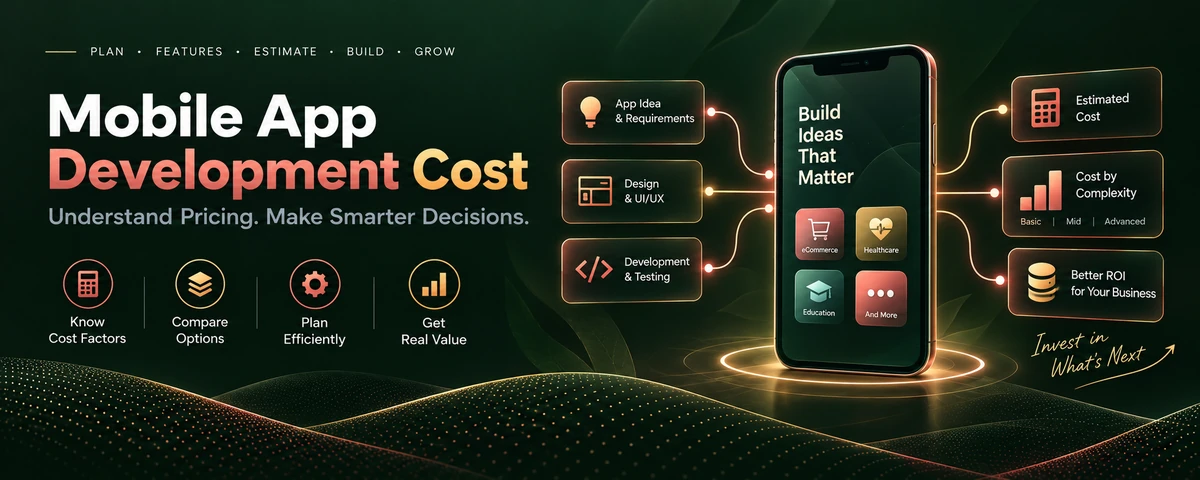
Mobile app development cost is one of those numbers everyone wants upfront and almost nobody can honestly give you without knowing more first. A simple utility app and a marketplace app with payments and real-time chat both fall under “mobile app,” but they’re wildly different projects in terms of effort. This guide breaks down realistic cost ranges by app complexity, what actually moves the price, and the costs people tend to forget until after the app is live.
Why There’s No Single Number
A quote for mobile application development cost only means something once it’s attached to a specific scope. “How much for an app?” is genuinely unanswerable the way “how much for a vehicle?” is — a bicycle and a truck are both technically vehicles. Any company that gives you a firm number before asking what the app actually needs to do is either guessing or quoting the cheapest possible interpretation and hoping the real requirements don’t come up until later.
Mobile App Development Cost by Complexity
Rough tiers, useful for calibrating expectations rather than as an exact quote:
- Simple app (a handful of screens, no backend or a very light one, no real-time features) — the lowest tier, think a basic informational or utility app.
- Medium-complexity app (user accounts, a real backend, API integrations, push notifications) — meaningfully more, since a backend and account system is real software engineering, not just screens.
- Complex app (payments, real-time features like chat or live tracking, admin dashboards, multiple user roles) — the highest tier, and the range within it is large depending on exactly which of those features are involved.
If a quote for app development companies cost doesn’t map to something like these tiers plus your specific extras, ask what’s actually included before assuming it’s comparable to another quote.
What Actually Drives the Price
A few factors matter more than people expect: backend complexity (an app that’s mostly a frontend on top of a simple database is cheaper than one with real business logic, multiple user roles, and complex data relationships), third-party integrations (payments, maps, SMS/notifications — each one is real integration work, not a checkbox), design complexity (a highly custom, animation-heavy interface costs more designer and developer time than a clean, standard one), and how many platforms you need on day one versus later. None of these are padding — they’re where the actual engineering hours go.
Platform Choices and What They Cost
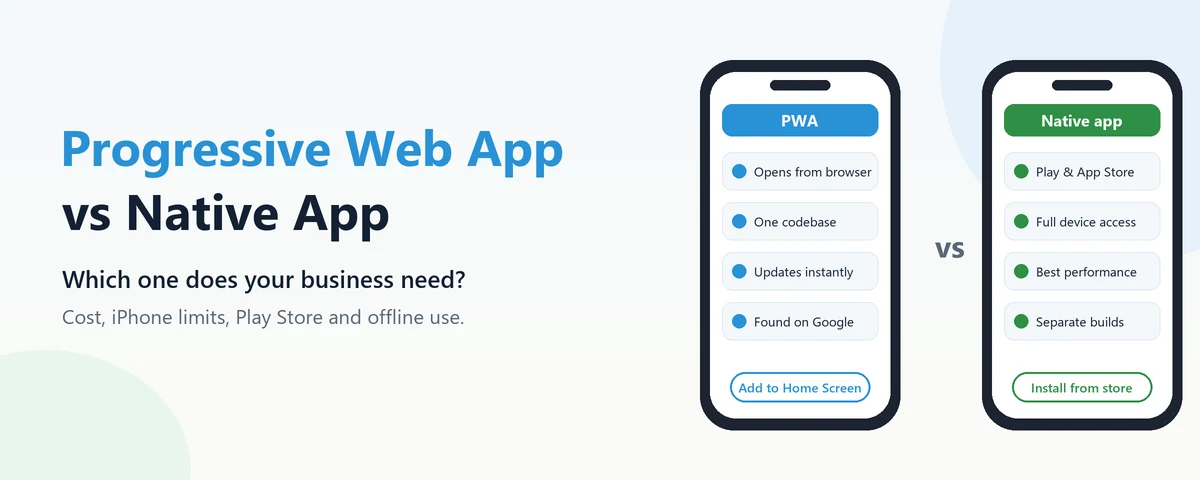
Building separately for iOS and Android roughly doubles the frontend work compared to one cross-platform codebase (tools like React Native or Flutter), which is why cross-platform tends to be the cheaper starting point for most businesses that need both platforms from day one. Native development still wins on raw performance and platform-specific polish, which matters more for some apps (games, anything hardware-heavy) than others — and it genuinely does affect mobile app development cost either way. We cover this tradeoff in more depth in our guide to choosing a mobile app development company, including the questions worth asking about which approach a company actually recommends and why.
Costs People Forget to Budget For
The build itself is rarely the full bill. App store fees are real and recurring — both Apple and Google charge developer account fees, and Apple in particular has a formal review process apps must pass before going live; their own App Store Review Guidelines are worth a skim if you’ve never gone through it, since a rejected submission means real delay. Beyond that: hosting/backend costs scale with usage, OS updates occasionally require app updates just to keep working, and ongoing bug fixes and small feature requests are a near-certainty in year one, not an edge case.
Where Inverosoft fits in
We build mobile apps alongside web development, data engineering, and AI work, so an app we build is usually already set up to talk to a real backend and the rest of your business systems from day one. If you want a realistic number instead of a guess, tell us what you’re actually building — read more about our team or get in touch for a real quote.
Frequently Asked Questions
Is it cheaper to build for one platform first?
Usually yes, if your users are concentrated on one platform (common in some markets and industries). Launching on one platform first and expanding later also lets you validate the app with real users before doubling the build cost across two platforms.
Does mobile app development cost include design?
It should be quoted separately or clearly itemized — design (UI/UX, not just visuals) is real, substantial work, and a quote that bundles it in vaguely is harder to compare against other quotes fairly.
Can I reduce cost by launching a smaller version first?
Yes — a focused first version with the core feature that matters most, followed by additions based on real user feedback, is usually both cheaper upfront and a better product than trying to build every feature before launch.
How much should I budget for the first year after launch?
As a rough rule of thumb, ongoing maintenance and small improvements often run somewhere around 15-20% of the original mobile app development cost annually — bug fixes, OS compatibility updates, and the inevitable small feature requests add up even without a major new version. Budget for app store optimization too if discoverability matters to you — it’s a separate, ongoing cost from the build itself.
Mobile app development cost is a function of what you’re actually building, not a fixed number any honest company can quote without asking questions first. If you want a real estimate instead of a guess, reach out and describe your idea — we’ll tell you a realistic range.

2 Comments
[…] to retrofit later. If you’re weighing what your app will actually cost to build well, our mobile app development cost guide is a good place to start, and our guide to choosing a development company covers what to look for […]
[…] Android and iPhone apps, or one cross-platform app, plus the website you probably need anyway. Our mobile app development cost guide breaks down where the money goes on the native […]